
SBOM Basics

SBOM Resources & Best Practices

Discover key concepts, best practices, and expert resources to enhance your understanding and implementation of SBOM effectively.

End-to-End SBOM Lifecycle

Software Producer

(Creating & Sharing SBOMs Securely)

Goal:

Automate the generation and secure sharing of SBOMs to provide full visibility into software components, helping consumers and security teams detect vulnerabilities before they become threats.


Learn More
Software Consumer

(Managing & Analyzing SBOMs for Risk Mitigation)

Goal:

Ensure organizations can collect, analyze, and act on SBOM data to protect against vulnerabilities and licensing risks.


Learn More
Security & Compliance Teams

(Enforcing Policies & Ensuring Regulatory Compliance)

Goal:

Enable security teams to enforce internal cybersecurity policies, assess risk, and meet compliance mandates using SBOM data.


Learn More


Software Producer

(Creating & Sharing SBOMs Securely)

Goal:

Automate the generation and secure sharing of SBOMs to provide full visibility into software components, helping consumers and security teams detect vulnerabilities before they become threats.

Step 1: SBOM Generation

Every software product consists of multiple components, including open-source libraries, third-party dependencies, and proprietary code. To ensure security and compliance, software producers must automatically generate an SBOM as part of the CI/CD pipeline.


A modern SBOM generation process should:
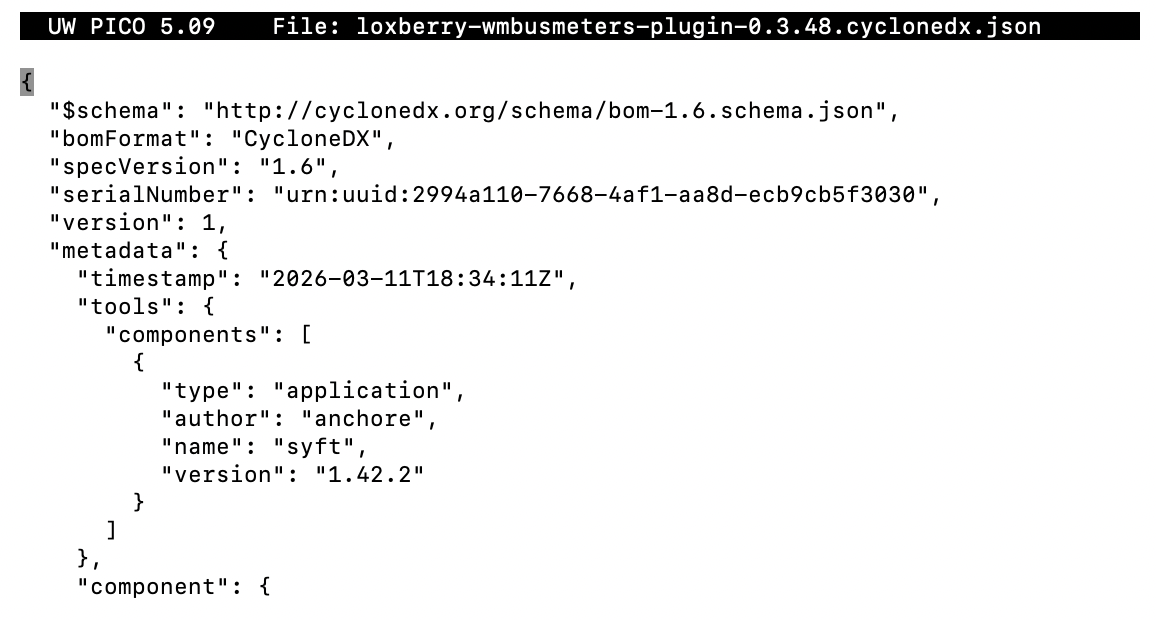
  • Capture all dependencies and their versions in a structured format (e.g., SPDX, CycloneDX).

  • Include metadata such as authorship, supplier details, and timestamps.

  • Be integrated into the software development process to ensure every build includes a fresh SBOM.

Step 2: Augmentation

An SBOM is more useful when enriched with additional security, compliance, and integrity data, such as:

  • Cryptographic hashes to verify software authenticity.

  • License details to ensure legal compliance.

  • Vulnerability mapping (e.g., linking components to known CVEs).

  • Provenance tracking to verify software origins.

Augmenting SBOMs provides deeper insights into software security risks, helping consumers make informed decisions.


Step 3: Signing for Security & Trust

A digitally signed SBOM ensures that it remains unaltered and verifiable throughout its lifecycle.

Why this matters:

  • Prevents tampering or unauthorized modifications.

  • Builds trust between software vendors and consumers.

  • Enables automated SBOM verification before software deployment.


Step 4: Sharing with Consumers & Compliance Teams

Once the SBOM is generated, enriched, and signed, it must be securely distributed to relevant stakeholders:

  • Customers & Security Teams → Helps detect vulnerabilities before deployment.

  • Regulatory Authorities → Ensures compliance with cybersecurity frameworks.

  • Automated Security Tools → Enables real-time risk assessment.

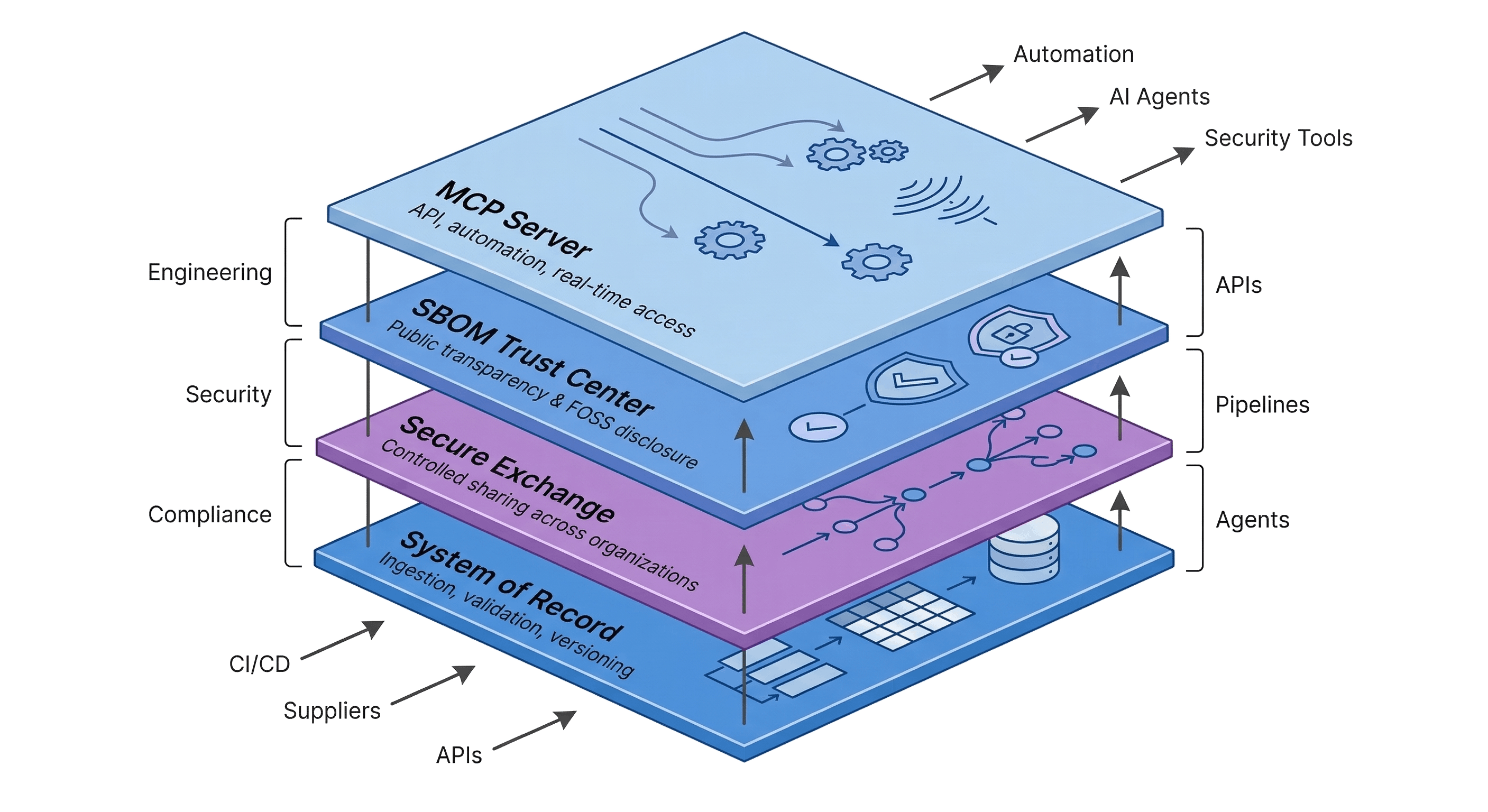
To simplify access, software producers should provide machine-readable SBOMs via APIs, portals, or public registries.


Software Consumer

(Managing & Analyzing SBOMs for Risk Mitigation)

Goal:

Ensure organizations can collect, analyze, and act on SBOM data to protect against vulnerabilities and licensing risks.

Step 1: SBOM Request

Before adopting third-party software, organizations must request an SBOM to:
  • Verify all included dependencies and assess security risks.

  • Detect outdated or vulnerable software components before installation.

  • Ensure compliance with internal security policies and legal requirements.

Organizations that require SBOMs before integrating software significantly reduce supply chain risks.
 

Step 2: Collection & Centralized Storage

To effectively manage SBOMs, they should be stored in a centralized repository, ensuring:
  • Fast access for security teams and compliance audits.

  • Automated scanning for known vulnerabilities.

  • Historical tracking to compare SBOM versions over time.

A well-organized SBOM repository improves risk assessment and policy enforcement.

Step 3: Automated Analysis for Security & Compliance

A digitally signed SBOM ensures that it remains unaltered and verifiable throughout its lifecycle.

Why this matters:

  • Prevents tampering or unauthorized modifications.

  • Builds trust between software vendors and consumers.

  • Enables automated SBOM verification before software deployment.


Step 4: Incident Response & Risk Mitigation

If a security vulnerability is identified within an SBOM, teams must:
  • If a security vulnerability is identified within an SBOM, teams must:

  • Block non-compliant software from deployment.

  • Notify developers and IT teams for immediate remediation.

A well-structured SBOM-driven security response plan ensures faster threat mitigation and minimizes exposure to cyberattacks.


Security & Compliance Teams

(Enforcing Policies & Ensuring Regulatory Compliance)

Goal:

Enable security teams to enforce internal cybersecurity policies, assess risk, and meet compliance mandates using SBOM data.

Step 1: Policy Gateway (Automated Security Enforcement)

Before software is approved for deployment, SBOMs must be evaluated against internal security
policies to ensure:
  • No unauthorized or high-risk dependencies.

  • All components comply with legal and regulatory standards.

  • Ensure compliance with internal security policies and legal requirements.

Pro Tip: Implementing an automated policy gateway allows organizations to block unsafe software before it enters production.

Step 2: Deep-Dive Security Analysis

Compliance teams use SBOM-driven security assessments to:
  • Detect high-risk dependencies in real-time.

  • Cross-check components with global threat intelligence sources.

  • Identify supply chain weaknesses before attackers can exploit them.

Step 3: Incident Response & Continuous Monitoring

If a security incident occurs, SBOMs help teams trace the root cause and respond quickly.
Organizations should:
  • Immediately patch vulnerable components.

  • Investigate how the exploit was introduced.

  • Update security policies to prevent future incidents.

Step 4: Generating Compliance Reports

To meet regulatory requirements, organizations must generate detailed compliance reports based on SBOM data, covering:
  • Component Inventory → A full list of software dependencies.

  • Vulnerability Findings → Security risks detected within the software.

  • Mitigation Actions → Steps taken to address security gaps.

  • Regulatory Compliance Status → Adherence to laws like EU CRA, Executive Order 14028, FDA cybersecurity rules, NIS-2, and DORA.

These reports ensure organizations pass security audits and demonstrate compliance with global cybersecurity regulations.

Software Producer

Automate the generation of SBOMs as part of the software development lifecycle, ensuring security, transparency, and compliance while enabling seamless sharing with relevant stakeholders.

Read More

Software Consumer

Allow organizations to collect, manage, and analyze SBOMs received from vendors, ensuring software integrity and proactively identifying security risks.

Read More

No Single Source of Truth

Provide security and compliance teams with the necessary tools to enforce security policies, detect vulnerabilities, and generate compliance reports based on SBOM data.

Read More

Learn about SBOM


What is a Software Bill of Materials (SBOM)?

Why is an SBOM important for software development and security?

Who should use an SBOM and why?

What are the main SBOM formats (e.g., CycloneDX, SPDX)?

How can I generate an SBOM for my software?

How do I keep my SBOM updated as my software changes?

What are the best tools for SBOM creation?

How do I read and understand an SBOM file?

How does using an SBOM help with software compliance?

What is NIS2 and how does it relate to SBOMs?

What does U.S. Executive Order 14028 say about SBOMs?

Are SBOMs legally required for companies?

How does an SBOM help detect known software vulnerabilities (CVEs)?

Can SBOMs reduce the risk of cyberattacks?

How can SBOMs be used for real-time threat monitoring?

How do I integrate SBOM generation into my CI/CD pipeline?

What is the best way to automate SBOM generation?

Why are SBOMs important for DevSecOps teams?

What is a multi-layer SBOM or SBOM of SBOMs?

How do large enterprises manage SBOMs across multiple teams and projects?

How can I compare or normalize SBOMs created by different tools?